3 Immune Boosting Berries to Plant in Your Garden This Year
When it comes to boosting your immune system, plants are always best. These 3 berry bushes are must-haves in your herbal garden. Read on to learn why and how they can also benefit the natural landscape of your yard’s ecosystem.
The homesteaders lifestyle centers on the ability of one to take care of themselves. A big part of that is what you eat and what you use to keep your immune system strong.
Ever since seeing this amazing video on Facebook, my plans for our 1 acre garden space have changed. How incredible, right? Cottage garden meets entire forest!
So back to that sale – I scored! We came home with a Red Currant bush and a Chokeberry Bush. The ground was perfectly damp from a few recent storms. I just dug and plopped them in. My kind of planting!
I was so excited to have currants! I’ve read about them in many of my favourite novels as old-fashioned remedies for heath. You bet your bottom dollar they’re going in my garden!
The Chokeberry I didn’t know much about but my kiddo was really into the berries. Turns out they’re called Aronia berries and are SUPER high in antioxidants. Like crazy high. It’s even an ingredient used in my favourite natural antioxidant energy drink, NingXia Red!
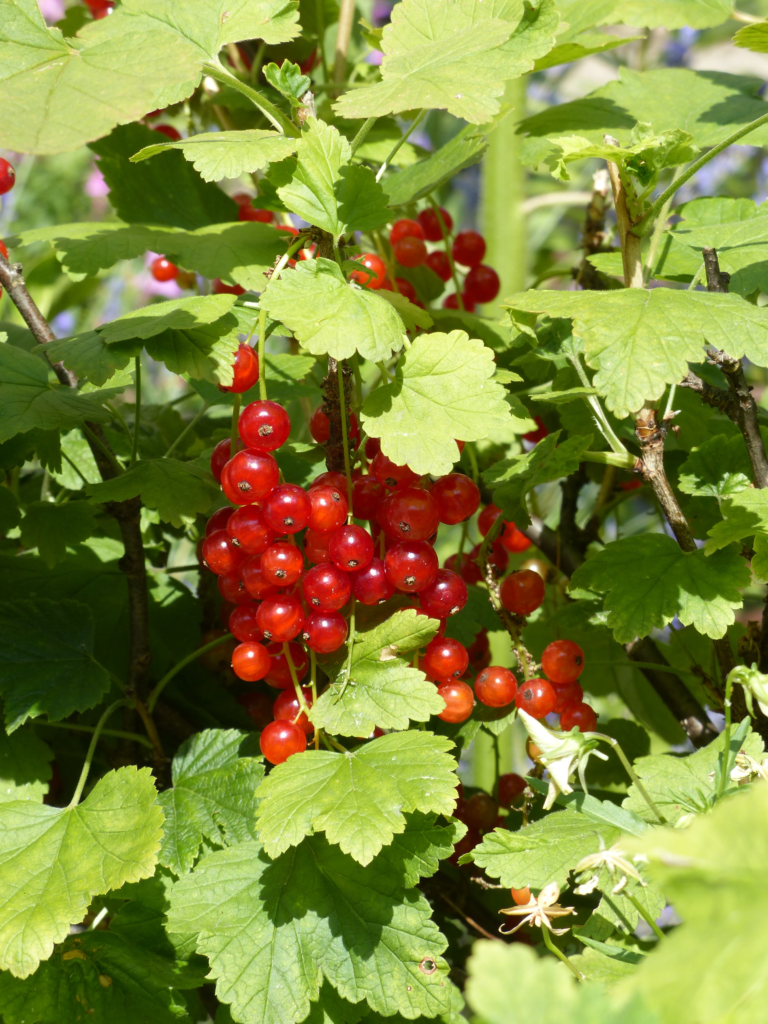
Red Currants
The plants is extremely cold hardy, have long chilling requirements, intolerant of summer heat and have short maturity and thrives in organically rich, medium moisture, well-drained loamy soil.
Health benefits of Red Currants
Redcurrants are a great source of antioxidants such as vitamin C and manganese. Antioxidants protect the body from the effects of oxidative stress, which may help strengthen the immune system and ward off diseases. Listed below are few of the health benefits of using redcurrants in your daily life
- Helps with skin cell regeneration and promote healing from UV damage.
- Good source of iron, which is essential for the formation of red blood cells.
- Builds a strong immune system
- Redcurrants are rich in vitamin C, which strengthens the immune system, nourishing it to prevent the body from succumbing to viral and bacterial attacks.
- It prevents not only common colds, but also gives the body the ability to fight against the formation of certain kinds of cancers. Vitamin C plays an antioxidant role in the respiratory tract, thus a source of relief for asthmatics.
- Also contains anti-histamine properties, which prevent and reduce the effect of allergies.
- These little red berries are fairly large dose of fiber content. Fiber helps to prevent constipation, which is lush in today’s society because of junk food which is refined and virtually fiber free.
Traditional Medicinal Uses of Red Currants
- Used externally to relieve rheumatic symptoms.
- Also used in poultices to relieve sprains or reduce the pain of dislocations.
- Fever-reducing, sweat-inducing, menstrual- flow inducing, mildly laxative, astringent, appetite increasing, diuretic and digestive properties.
- Tea eases the symptoms of gout and rheumatism, be useful in compresses for poorly healing wounds, and as a gargling solution for mouth infections.
- Used cosmetically to firm up tired and lifeless skin.
- Wine has been used for callouses.
- Proven effective in relieving certain skin ailments including eczema and acne.
- Helps purify blood and smooth the texture of the skin.
- Can heal wounds and mild burns, thereby preventing septic infections.
- If consumed regularly, works wonders for diabetic patients, heart patient, cancer patient and people suffering from aging.
- Many researchers believe that redcurrants have fever reducing properties.
Red Currants in Food
- Cultivated mainly for jams, preserves, jellies and cooked dishes, rather than for eating raw.
- Can be served raw or as a simple supplement in salads, garnishes, or drinks when in season.
- Commonly used in fruit soups and summer puddings in Scandinavia.
- Used together with custard or meringue as a filling for tarts in Germany.
- Syrup or nectar is added to soda water and relished as a refreshing drink.
- Used as a traditional condiment with lamb in a Sunday roast in United Kingdom.
- Combine red currants with orange juice and baking spices for a sweet and spicy glaze for baked ham.
- Redcurrants are a popular flavor for iced/frappé drinks and desserts, most commonly in ‘raspado’ in Mexico.
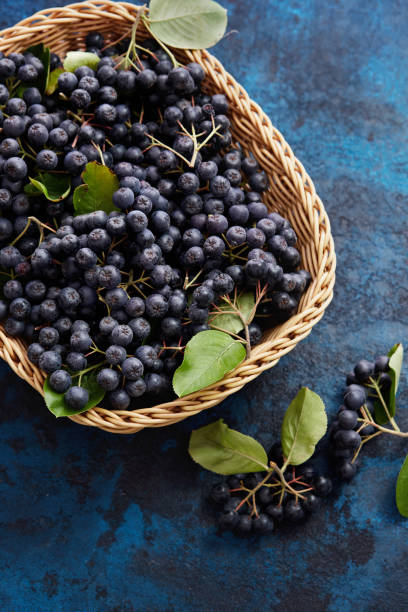
Chokeberries
Rich in anthocyanins, carotenes, flavonoids, and other organic antioxidants, in addition to vitamins and minerals, these super berries can play a major role in boosting health and treating/preventing a number of medical conditions.
Bonus, it’s native to North America and is one of the most potent fruits in terms of antioxidant content. Antioxidants can increase your overall health by eliminating free radicals in your bloodstream, skin, eyes, organs, and tissues that may be trying to cause healthy cells to mutate (mutation = bad).
Research has linked chokeberries and their anthocyanin content directly to a reduction in colon cancer.
There is also a significant amount of vitamin C, which stimulates the activity of white blood cells and is also a crucial component in the production of collagen. Collagen is integral to the growth and repair of new tissues, organs, blood vessels, and cells, while white blood cells function as the front lines of the body’s immune response.
The antioxidants in chokeberries can prevent these age-related symptoms, and due to their astringent property, these berries can actually tighten the skin and shave years off your appearance! I shall be adding them to my skincare regime!
Recent research has shown that chokeberries have a direct impact on common flu and bacterial infections in the gut and respiratory tracts, making it perfect for preventing colds and the flu.
How awesome are these two bushes? For $35 you can plant them in your yard, make them into a tasty treat and have a wicked health boost every time you eat them.
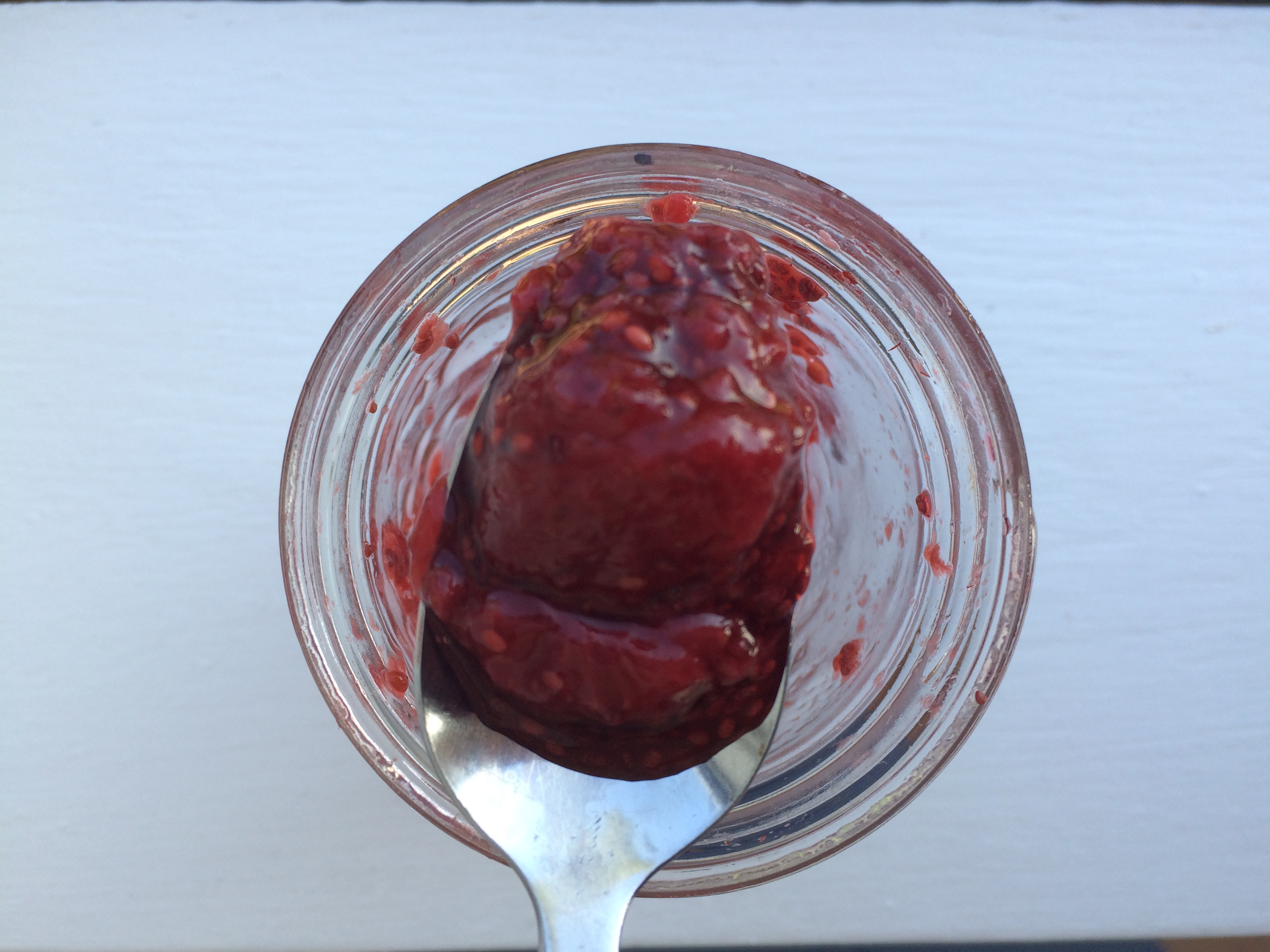
Kid sick? Here, eat some jam!
[convertkit form=2096442]
The Revolution
I was thinking about today too how a pack of heirloom, organic seeds is about $4.00 – less if you get it on sale. From that one packet you have about 100 seeds. From just one of those plants you could grow enough for an entire meal, or jar of pasta sauce, AND save seeds for future gardens.
A little bit of love and determination goes a long way.
We’re so far removed from where our food comes from and how to grow it ourselves. As a result, we’ve become completely reliant on other companies to produce for us and they’ve got us demanding the cheapest. Food that’s massed produced cheaply is not going to give you the nutritional benefits you need.
Over half of the food we end up eating is not real food – it’s franken food and synthetic junk food. That leads to poor health and dependency on the medical system. More money and time spent being sick and stressed about meeting the demands of our jobs which pay for us to have the most basic of necessities – food.
Having to work to pay for food, and then eating the cheapest version because we need more money to pay for all of our other wants. Can you see how we’re caught in this cycle of work more to pay more?
This right here is the problem. We’ve forgotten how to grow food ourselves. Imagine if your grocery bill was cut in HALF and you were eating organic? What about if your basic needs were met, using 1/4 of the budget you used to use?
Would you work less? Spend more time with family? Feel more in control? Would your stress levels go down?
Quality food –> Less toxins –> better immune system –> less sick –> less cost –> more time + financial freedom
You Have a Say in Your Future
Gardens are considered a “luxury”. Well hold up folks! Anyone can have a garden! Whether you live on an acreage or a postage stamp of an apartment with no balcony. Even if you don’t have any windows (um… fire code?), you can still grow food!
Remember when your grandparents grew a garden? Maybe even your parents. Gardens were a commonplace. If you didn’t have a garden, you didn’t have the means to sustain yourself and your family.
In just two generations, we’ve just about completely lost that and it shows, big time. Not just through weight but also chronic health conditions.
Approximately one in four Canadian adults are obese, according to measured height and weight data from 2007-2009. Of children and youth aged six to 17, 8.6% are obese.
Between 1981 and 2007/09, obesity rates roughly doubled among both males and females in most age groups in the adult and youth categories.
– Obesity Canada 2011 Report
This is one thing I’ve become so passionate about because I’ve seen it! It was completely by accident but I have seen and have lived how it all ties together. The freedom you have both in time and finances when you get going is so worth it.
So whether it’s a tomatoe plant in your living room, herbs on your windowsill, or a red currants in your front yard, you will get such a rush when that first harvest comes.
From the girl who grew up killing every green thing in her path (yes, even cacti), if I can learn to grow a garden, you can grow too!
Take a stand, vote with your dollars, take back the gardening wisdom of your grandparents. You’re part of a revolution of change.
More Posts You’ll Like

You May Also Like
12 Homestead Skills to Learn This Winter
How to Make an Herb Drying Rack (that won’t break the bank!)